
On June 30th the CoMoDe team at Leibniz-IfL organized a policy event in Brussels with the main topic “Sustainable mobility transitions: Learning from the East”. The inspiration for the event came from two research projects ongoing at the IfL: CoMoDe and MOBI-DIG and the need to build connections between the academia and policymakers.
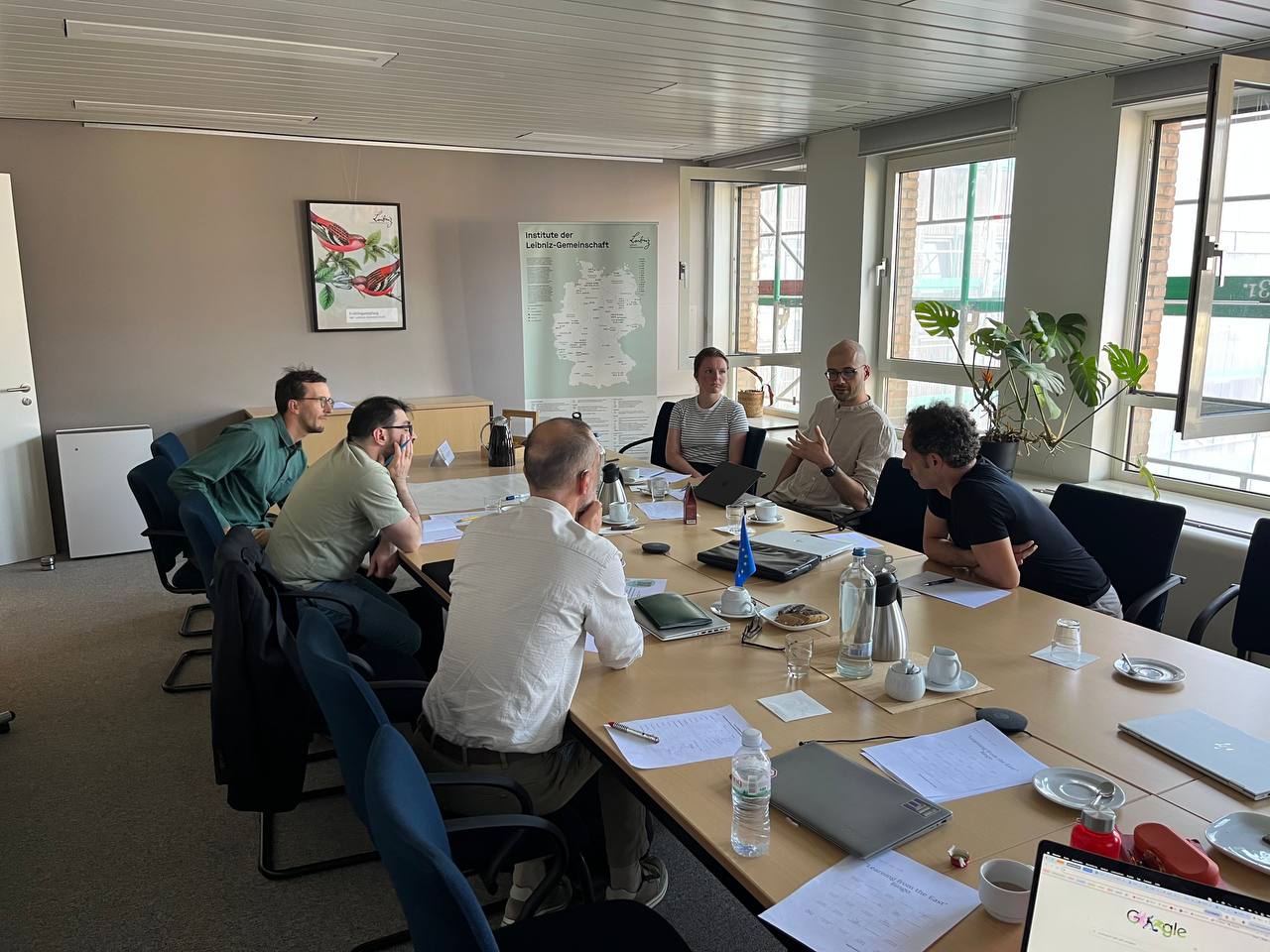
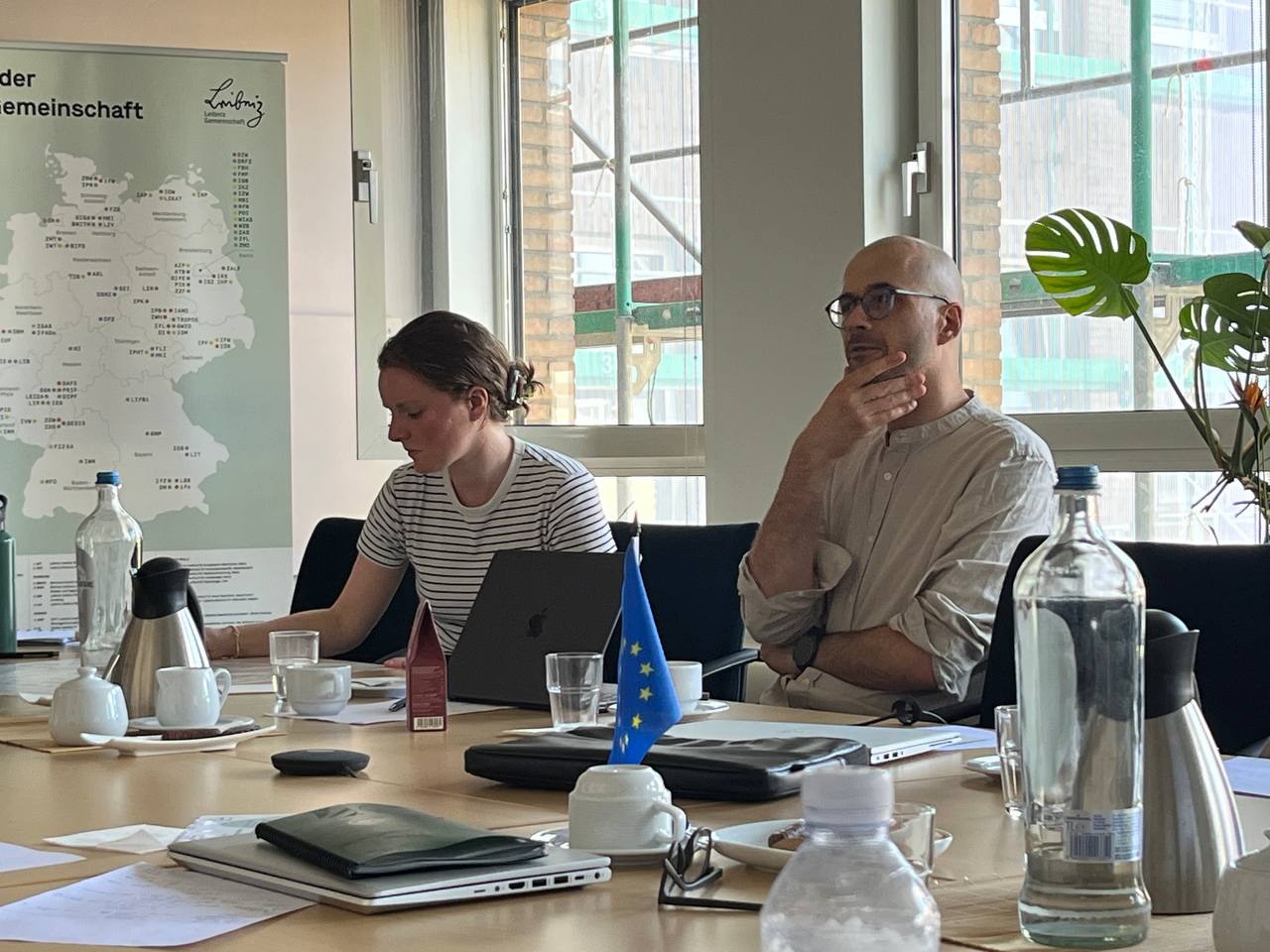
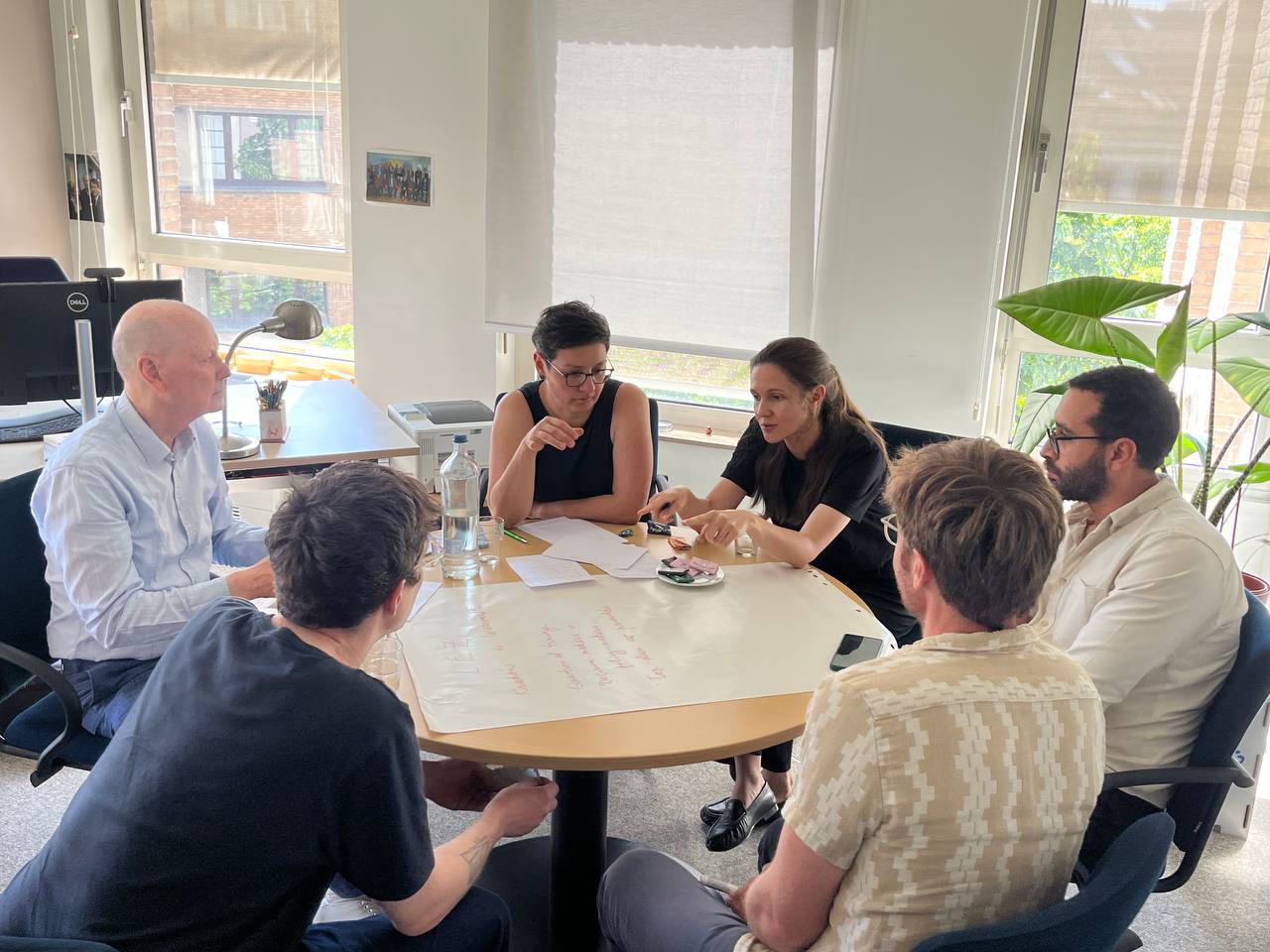
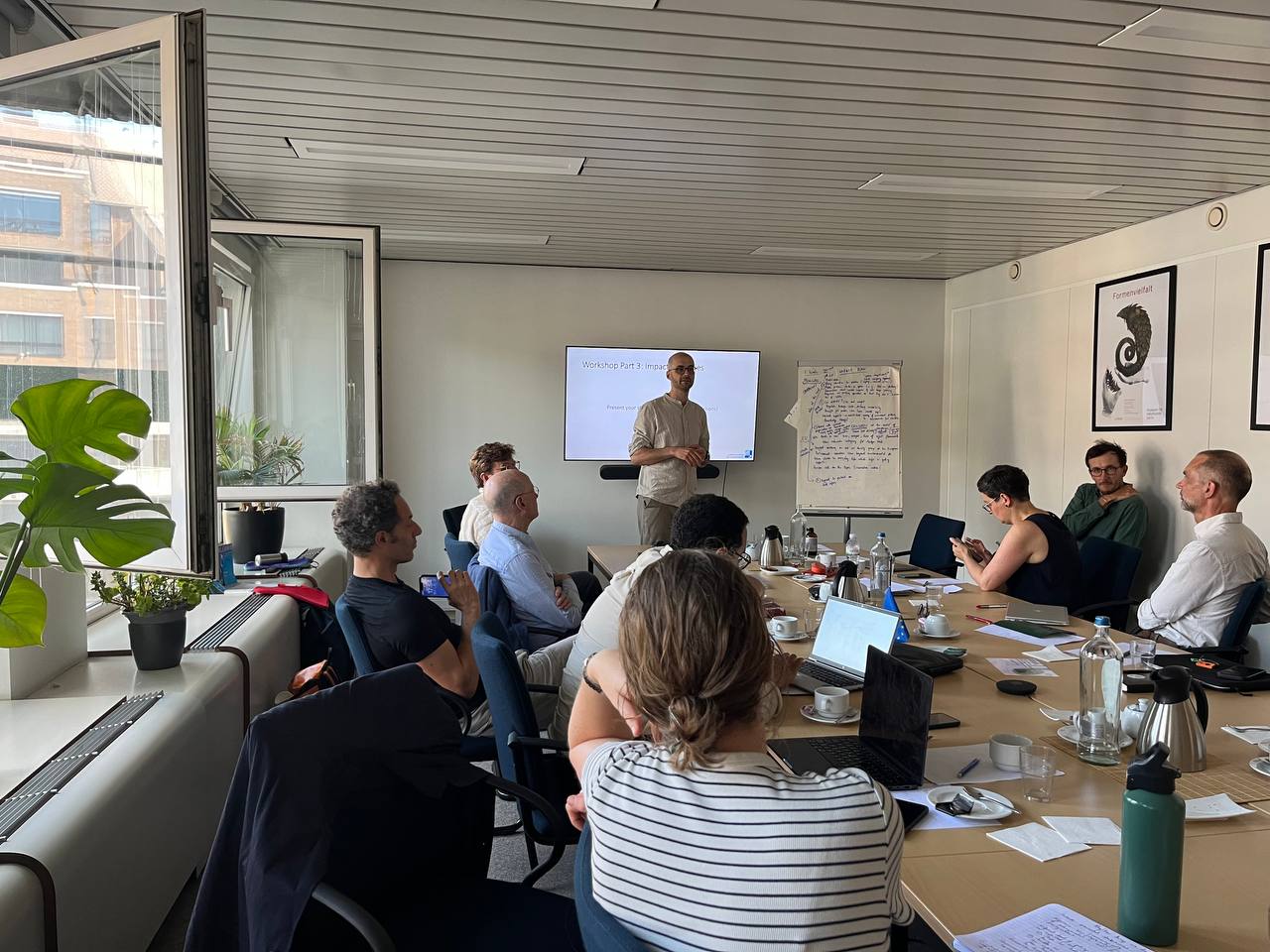
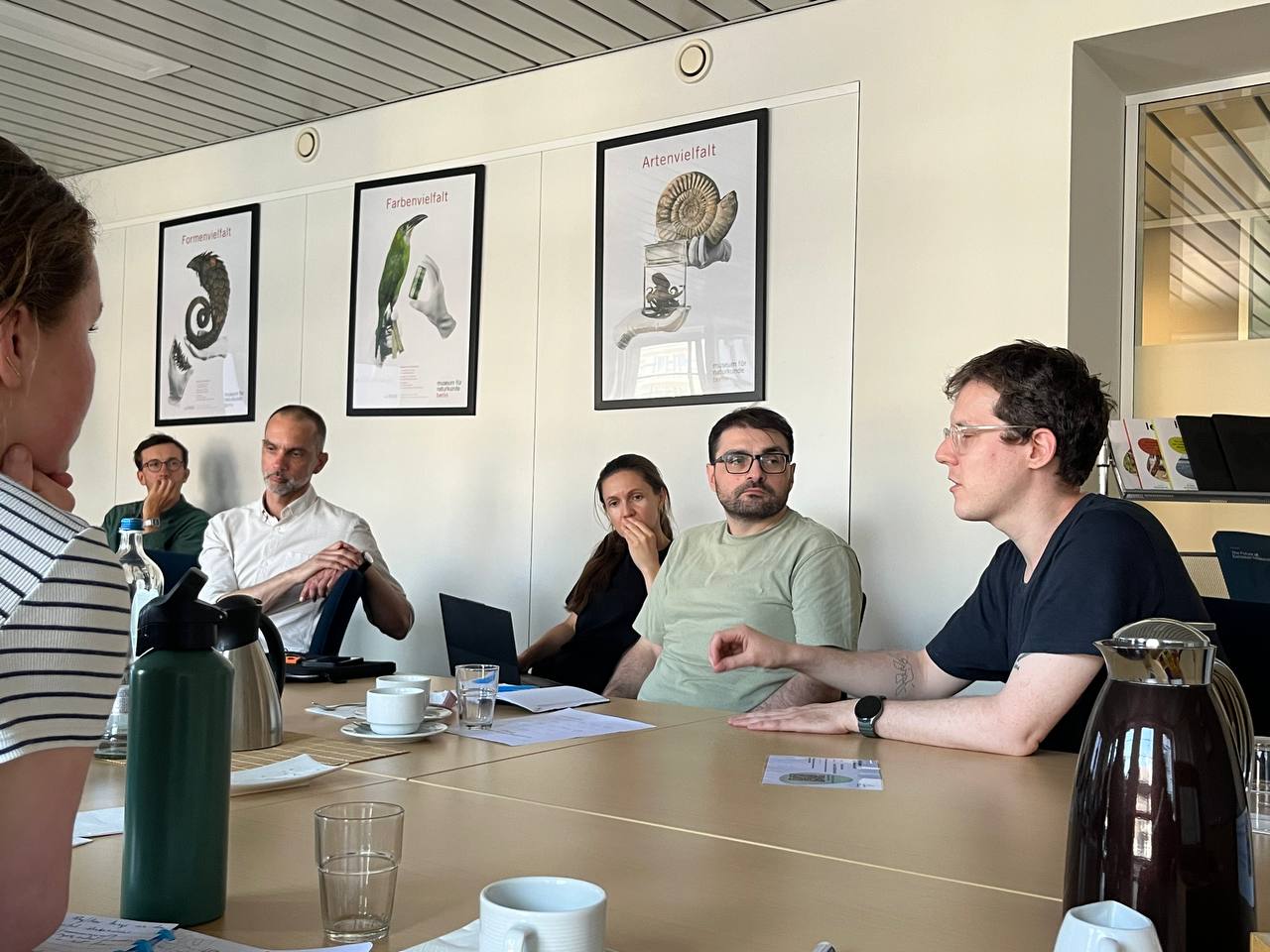
The policy event was preceded by a workshop, which took place on the 29th and 30th of June at the Brussels office of the Leibniz association, laying the foundation for the discussion at the public event. The workshop, attended by academic and mobility experts, was key to reflecting on knowledge gaps of EU institutions and power imbalances that result from it. Importantly, it was also an opportunity to reflect on the epistemic imbalance – that is the existing misunderstandings and their consequences – between science and policymakers, which hinder sustainability transformation processes. The workshop was an opportunity to share experiences from different counties and learn from each other how to effectively approach policymakers.
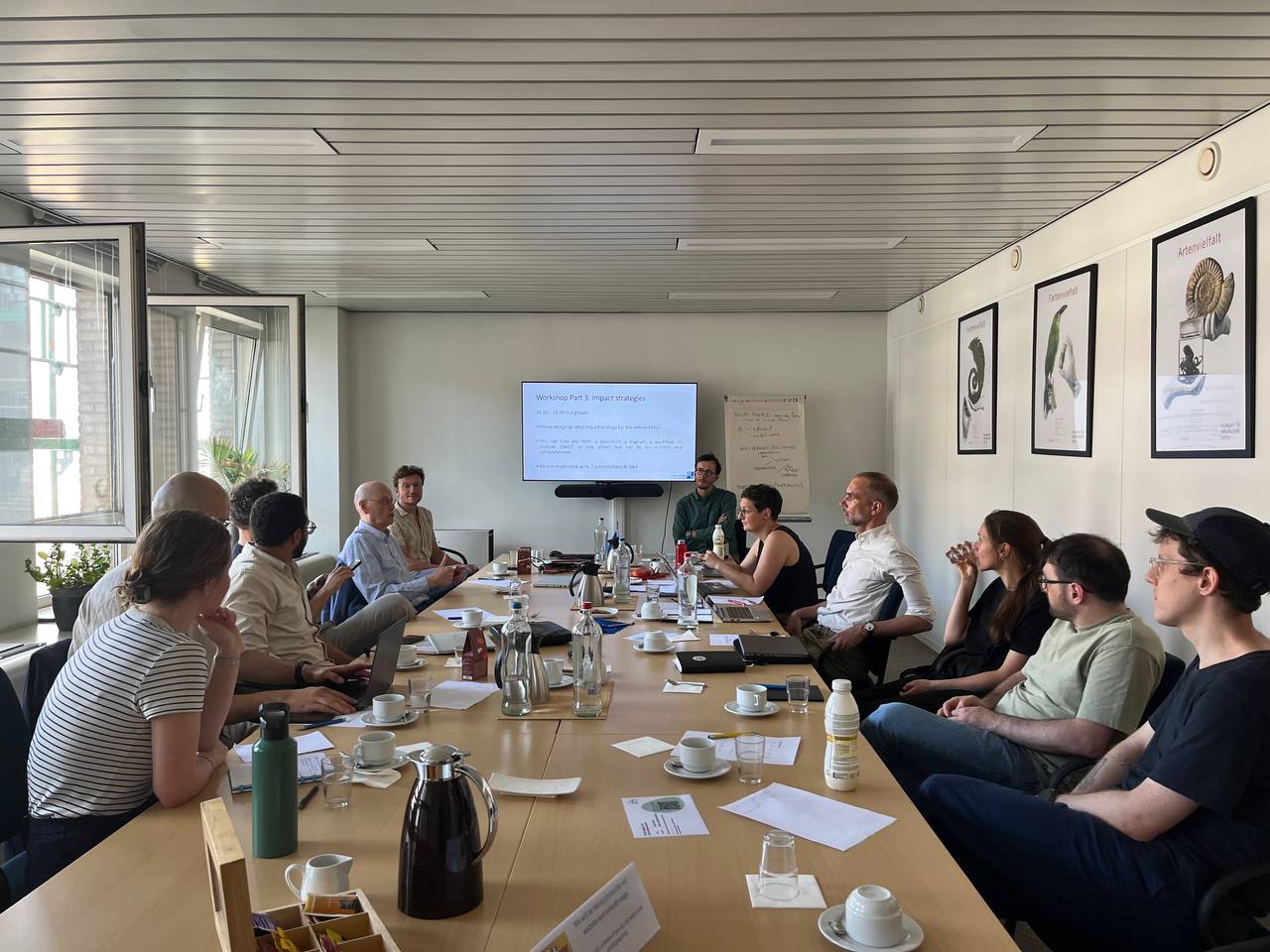


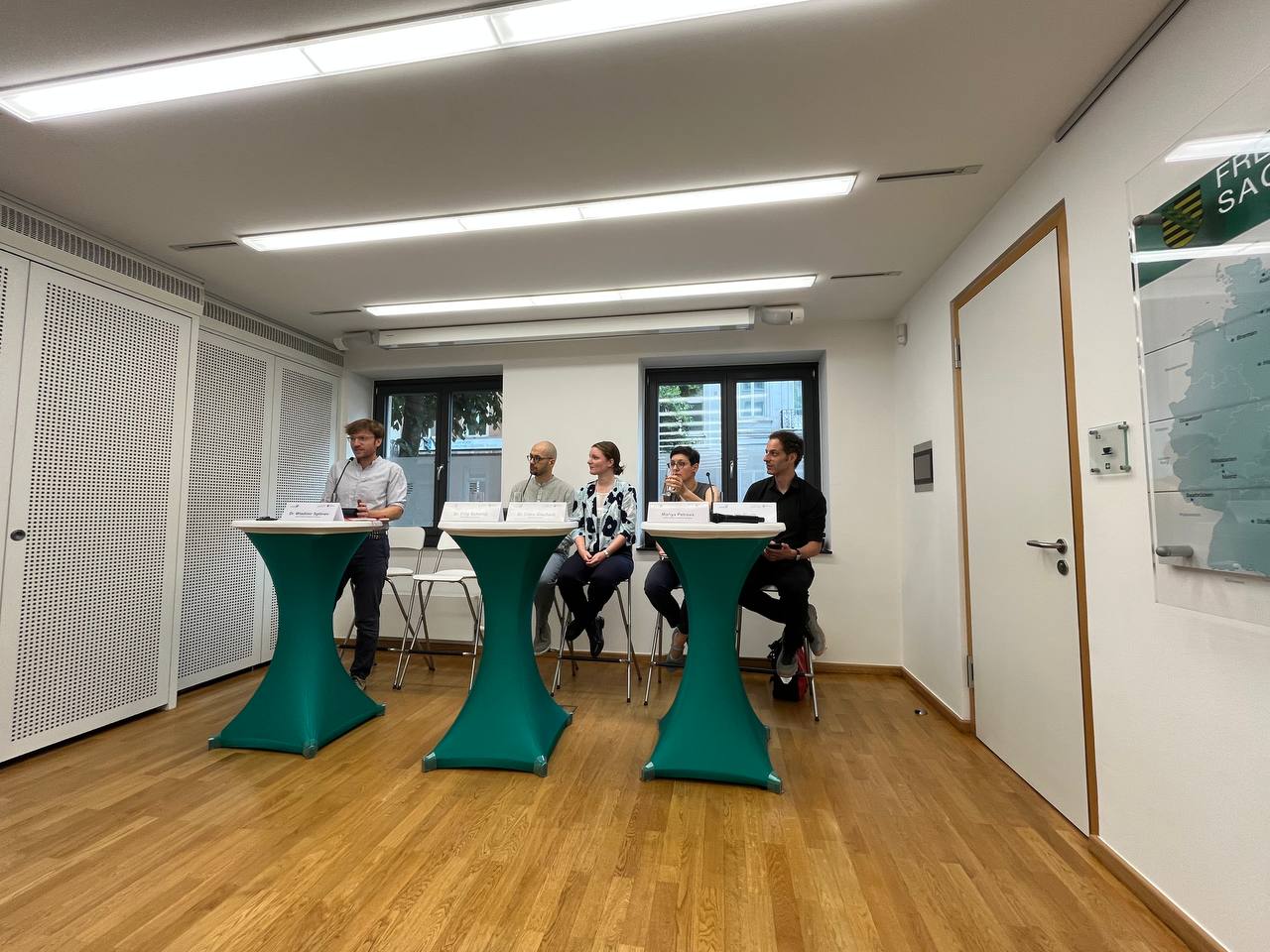
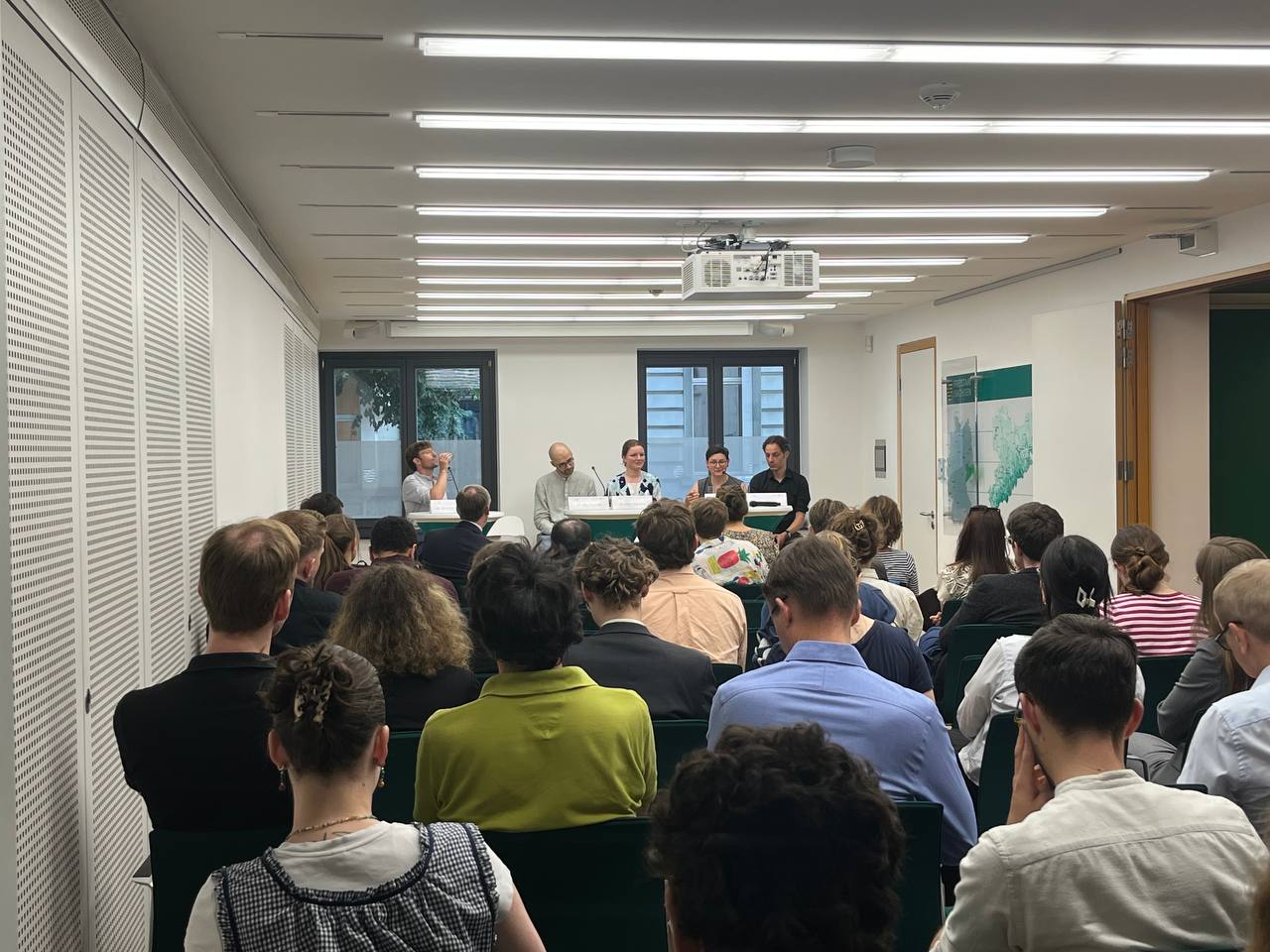
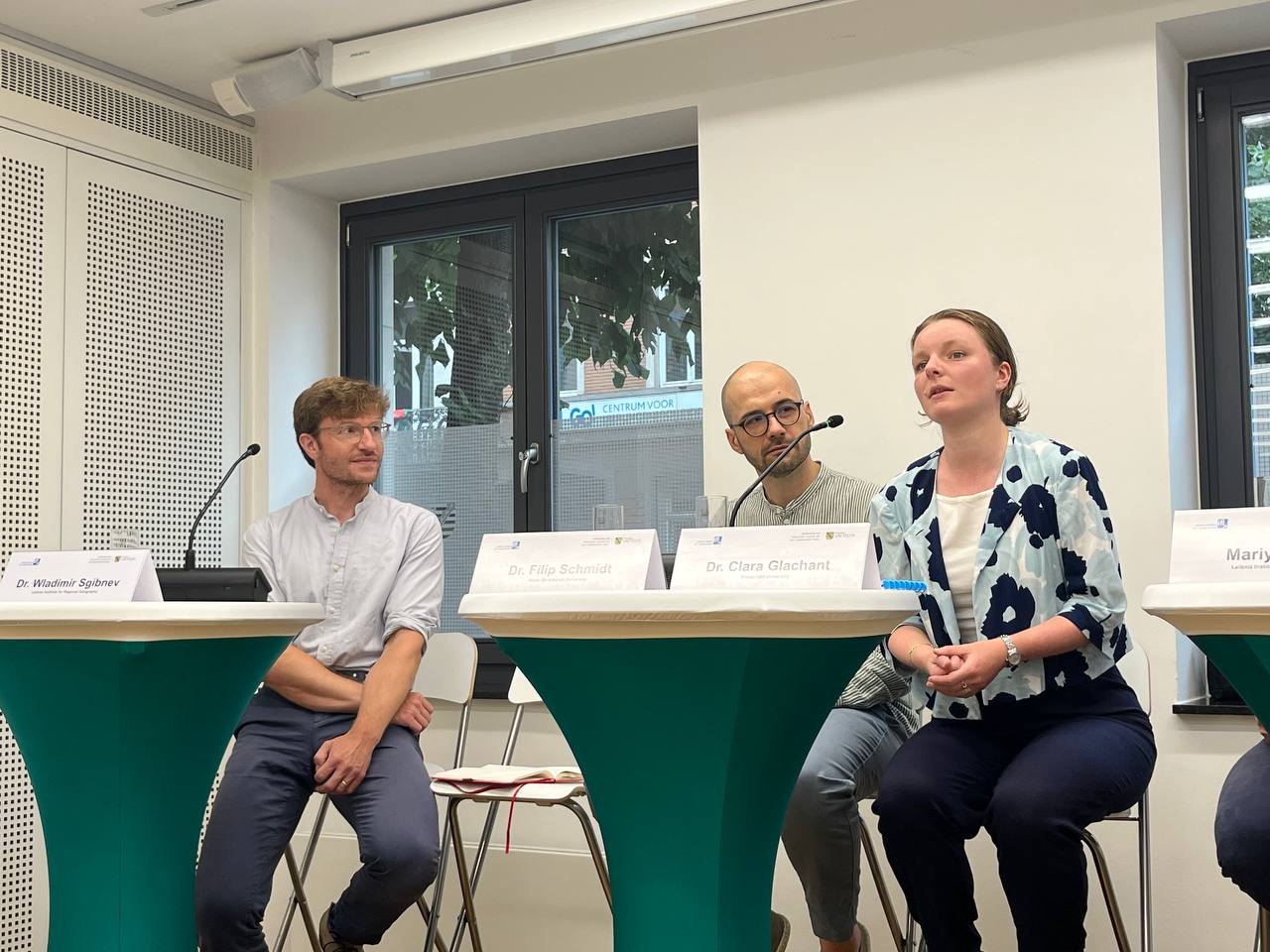
During the policy event that followed the workshop, an open panel was held, gathering a group of experts from academic and non-governmental organizations: Dr. Clara Glachant from Maastricht University, Mariya Petrova from Leibniz-IfL Dr. Filip Schmidt from UAM Poznań and Jon Worth, public transport consultant and campaigner from France. The discussion, moderated by Dr. Wladimir Sgibnev from the IfL focused on possible lessons for supporting sustainability in mobilities that be drawn from outside of core European countries. The panellists pointed out multiple cases of sustainability solutions that have been invented in places that rarely serve as positive examples. The main arguments highlighted the need for the EU institutions and policymakers to be open to learning from unlikely cities and regions, because also there, crucial knowledge about sustainable transformation is created and inventively used.
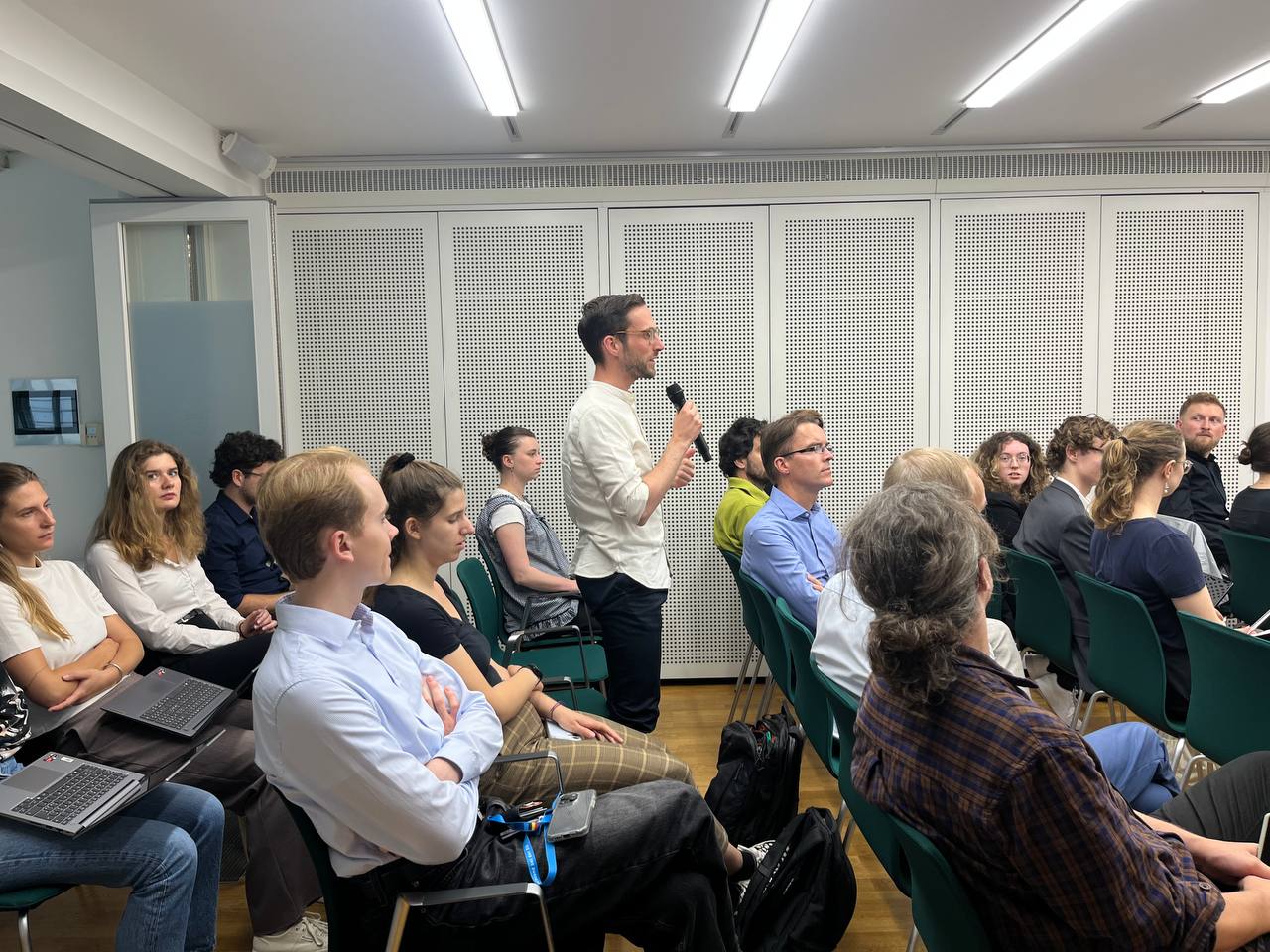
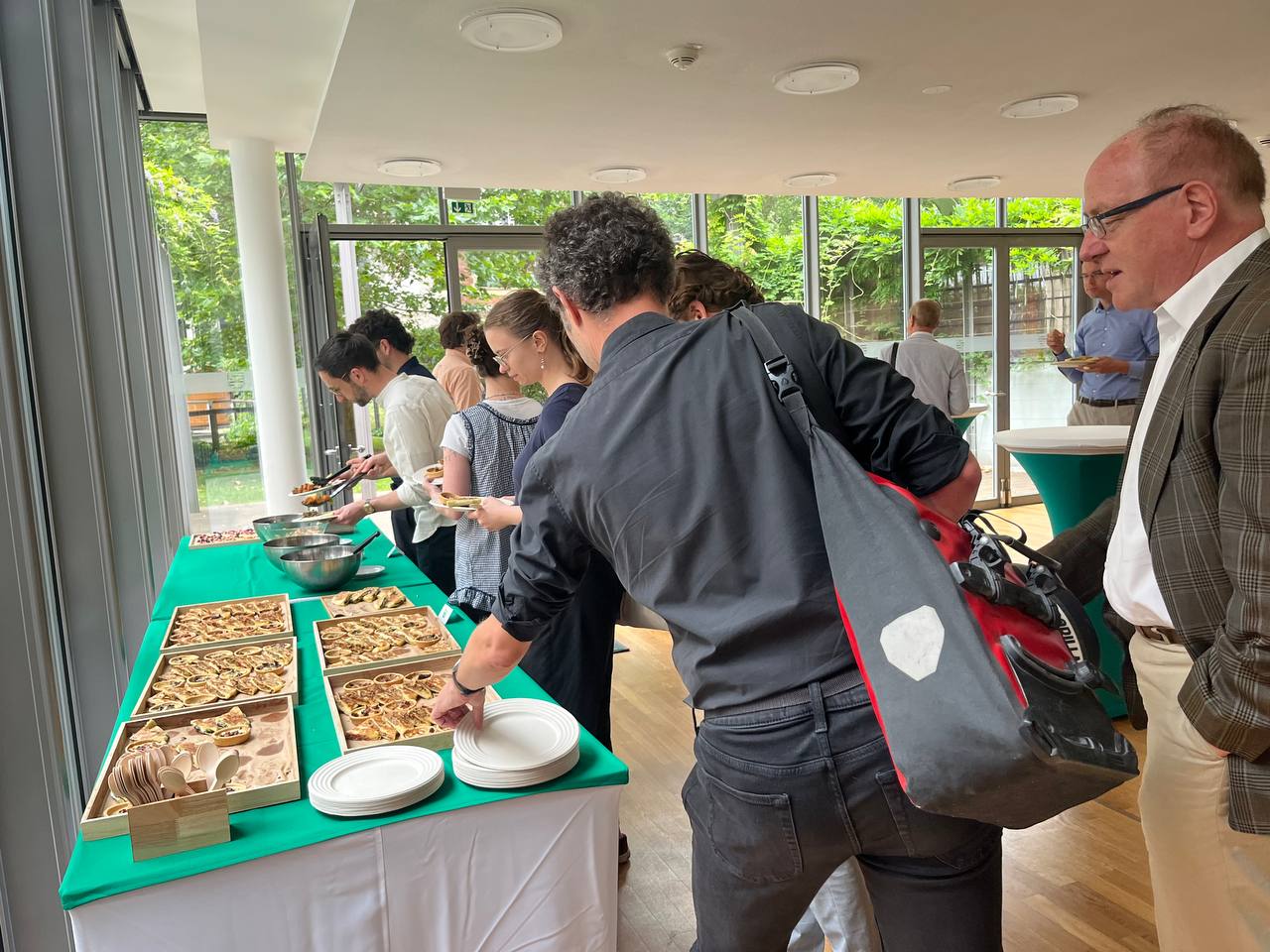
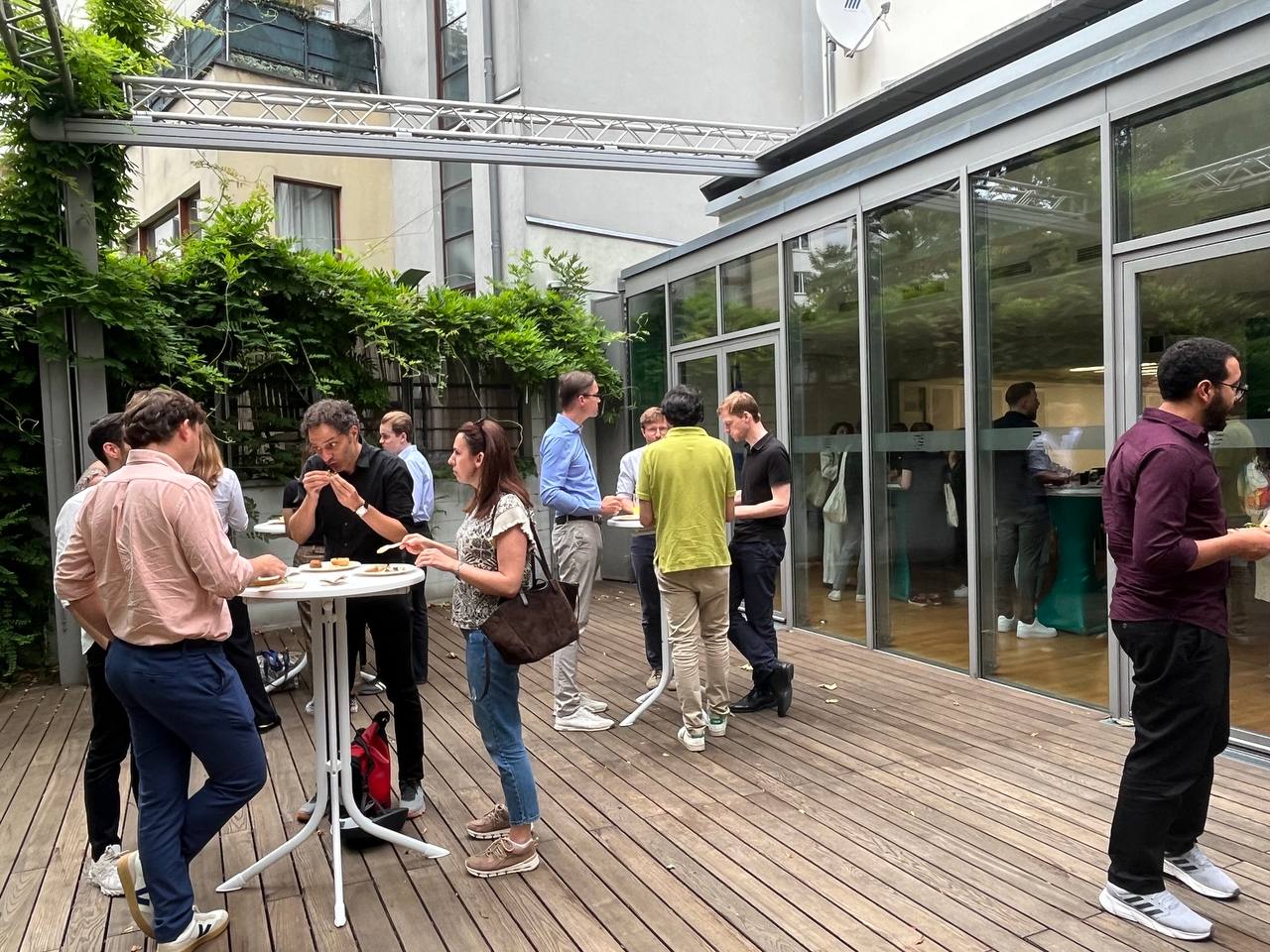
The event, hosted by the Sachsen representation in Brussels and supported by the Brussels office of Leibniz Association, brought together over 50 participants from a range of European institutions and ended with an informal networking lunch.
The research on mobility transitions shows that not every innovation has to originate from usual suspects. Sometimes it is found in regions and cities that are not considered symbols of progress. Yet it is there, in “the East”, outside of the core EU countries, that sustainability is quietly practiced: in strong public transport systems, in recycling and repurposing of old vehicles, in updated infrastructures that successfully deal with energy consumption or institutional blockages on the way to cleaner transport. The statistic show, for example, that the modal split – simply explained as a number of trips taken by a type of transportation – is in Czech Republic more “progressive” than in many other countries in Europe because of the strong public transport including railway. In some countries, like Hungary and parts of Poland, taking a bike on a train has been a long-established practice and happens without extra costs and prior booking, which is rarely the case in “Western” countries. The panelists supported the main message: let’s treat knowledge about sustainability transitions equally, regardless of where it is coming from. No person or country has the perfect solution, and any ideas can be valuable as long as they prove useful in fighting climate crisis, especially in socially and culturally sustainable ways.